Choosing a hospital for planned treatment involves more than considering medical services alone. For people using health insurance, understanding cashless hospitalization, network eligibility, documentation, and policy limitations can be equally important. Being aware of these aspects before admission can help patients make practical decisions and reduce confusion during treatment.
When looking for an HDFC ERGO cashless hospital in Lucknow, patients should first verify whether the hospital is currently included in the applicable insurance network. They should also confirm whether the planned treatment is covered under their policy and whether any specific authorization is required before hospitalization.
What Is Cashless Treatment?
Cashless treatment allows eligible hospitalization expenses to be processed directly between the hospital and the insurance company or its TPA, according to the terms of the policy. The patient may not have to pay the full covered amount at the time of admission, although certain expenses may still need to be paid separately.
The facility is subject to policy conditions, coverage limits, exclusions, and insurer approval. Therefore, cashless does not necessarily mean that the complete hospital bill will be paid by the insurer.
Why Should Network Status Be Checked?
Insurance companies maintain networks of hospitals where cashless facilities may be available. However, network status can change over time. Patients should therefore verify the current status before admission instead of relying on an old list, previous experience, or information from another person.
This becomes especially important for planned surgeries, procedures, and treatments where patients have an opportunity to complete the verification process in advance.
How Does Pre-Authorization Work?
For planned hospitalization, the hospital may collect relevant medical information and send a pre-authorization request to the insurer or TPA. The request may include the patient's diagnosis, treatment plan, expected cost, and supporting medical reports.
The insurer reviews the request according to the policy. Approval may be granted for an estimated amount or for specific services. Any additional expenses can remain subject to policy rules and the final assessment.
What Documents May Be Required?
Patients should keep their insurance card, identification documents, policy information, medical reports, prescriptions, diagnostic results, and previous treatment records readily available. The exact documents required can differ according to the insurer and treatment.
Providing accurate information can help avoid unnecessary delays in processing. Patients should also ensure that their personal and insurance details are updated and correctly recorded.
What Expenses May Not Be Covered?
Even when cashless treatment is approved, some expenses may not be covered. These can include certain non-medical items, deductibles, co-payments, expenses exceeding policy limits, or charges related to exclusions.
Room-rent restrictions and procedure-specific sub-limits can also affect the amount payable by the insurer. Patients should read their policy documents carefully and ask questions about expenses they do not understand.
How Can Patients Prepare for Hospitalization?
Preparation can make the admission process more manageable. Before planned treatment, patients can ask the hospital about the expected admission procedure, required documents, insurance formalities, and estimated expenses.
They should also contact the insurer or TPA when necessary to understand whether pre-authorization is required. Keeping copies of important documents and previous medical records can further help during the process.
What Can Patients Discuss With the Hospital?
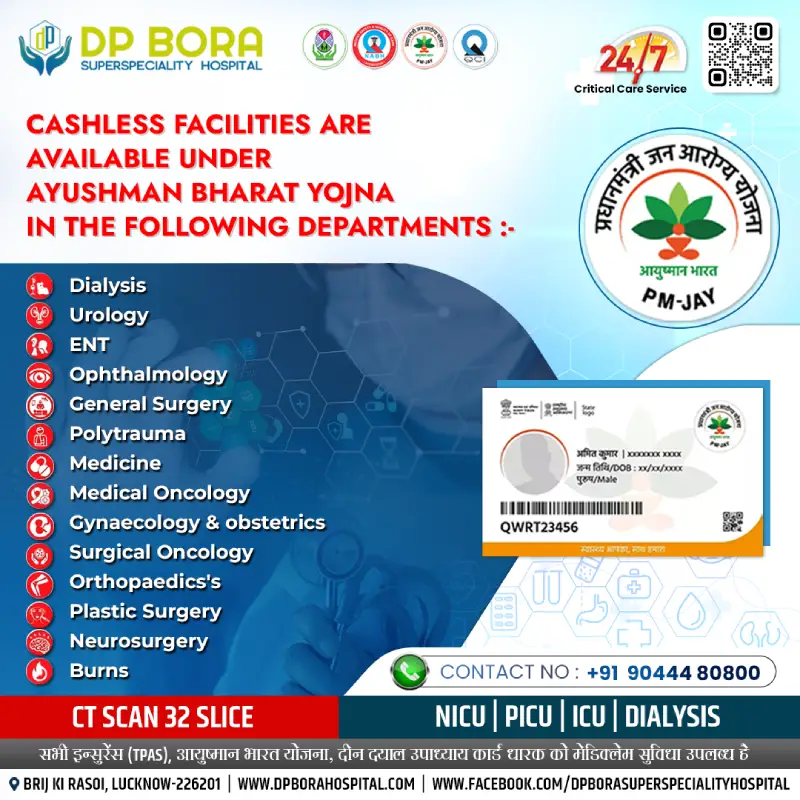
At DP Bora Superspeciality Hospital, patients can discuss relevant admission and insurance procedures with the appropriate hospital team. Questions regarding documentation, billing procedures, pre-authorization, and other administrative requirements can be clarified before treatment.
It is still important to remember that insurance approval is determined by the insurer according to the patient's policy. Hospital staff can assist with the process, but coverage decisions remain subject to the applicable insurance terms.
Why Is It Important to Understand the Final Bill?
At discharge, the final bill may include expenses that were not part of the original approval. Patients should review the bill and understand which amounts are covered and which are payable by them.
If there is a difference between the approved amount and the final expenses, asking for clarification can help patients understand the reason for the additional payment.
Conclusion
Cashless hospitalization can offer convenience during eligible medical treatment, but it works best when patients understand the process beforehand. Verifying network status, reviewing insurance coverage, arranging pre-authorization, and preparing the necessary documents can help make hospitalization more organized.
Those searching for an HDFC ERGO cashless hospital in Lucknow should always verify the latest network and coverage information before admission. With proper planning and clear communication, patients can approach their treatment with greater financial and administrative clarity.



Comments
Post a Comment